






Climate change is one of the most important topics of our time, but learning about it doesn’t have to feel overwhelming or limited to textbooks. Interactive and real-world experiences can make environmental learning more engaging, meaningful, and inspiring.
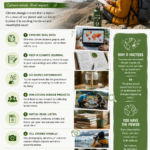
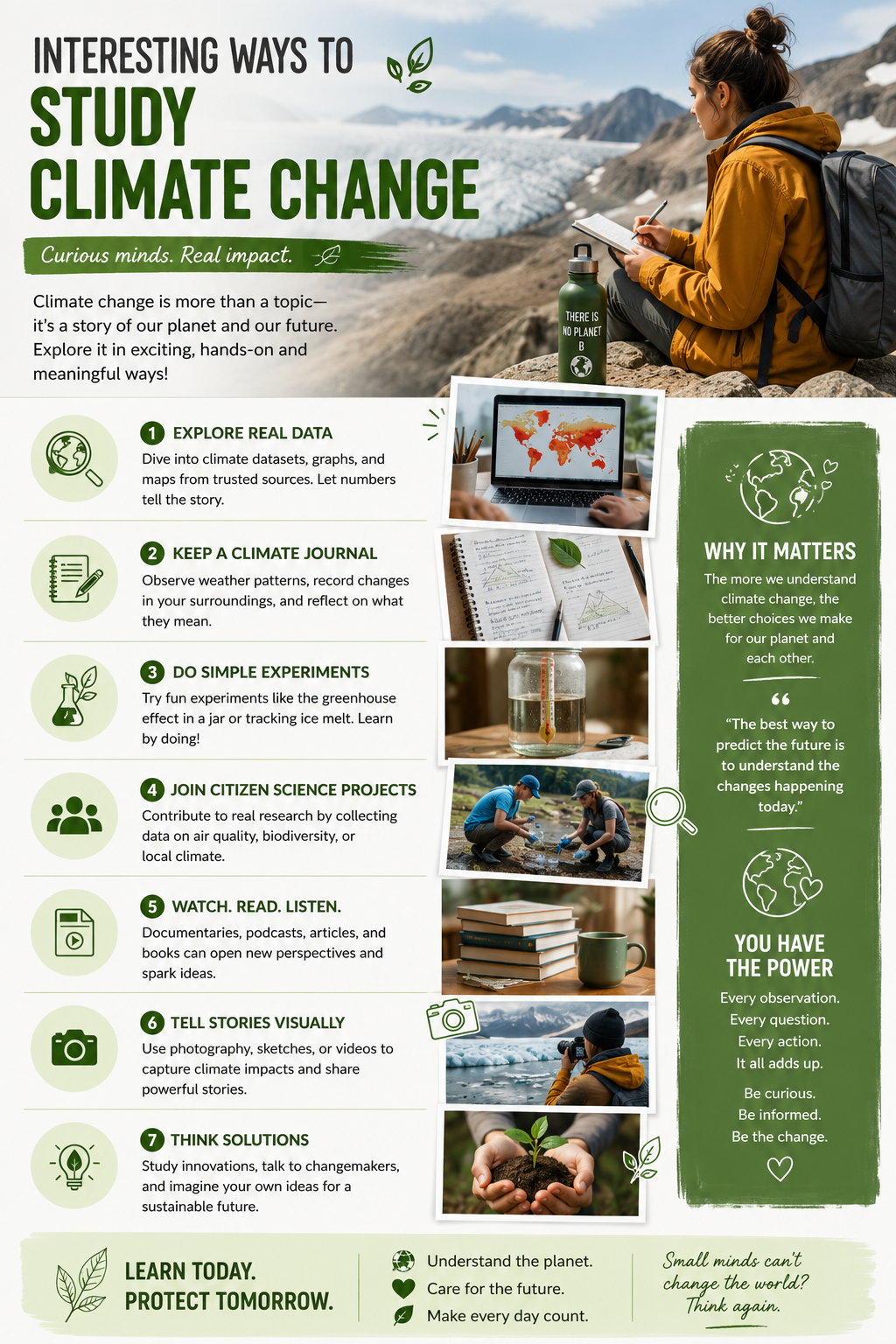
1. Explore Climate Through Mobile Apps
Use environmental apps and citizen-driven platforms to track pollution, report environmental issues, and learn how local communities are contributing to sustainability.
2. Watch Earth and Climate Documentaries
Visual storytelling helps explain changing ecosystems, extreme weather, biodiversity loss, and environmental challenges in a powerful way.
3. Join Cleanup and Eco Events
Participating in cleanup drives, tree-planting campaigns, and awareness events helps connect learning with action.
4. Study Local Environmental Changes
Observe nearby lakes, parks, weather patterns, or waste issues. Real-world observations often reveal climate impacts close to home.
5. Learn Through Games and Simulations
Interactive climate simulations and educational games can help explain ecosystems, carbon footprints, and environmental choices.
6. Follow Scientific Projects
Explore open climate research, environmental organizations, and citizen science initiatives to understand global efforts.
7. Start Small Experiments
Measure household waste, track energy use, or grow plants to understand sustainability firsthand.
Final Thoughts
Climate change becomes easier to understand when learning moves beyond theory. Curiosity, observation, and community action can transform awareness into meaningful change.
Learn today, act tomorrow, and help create a cleaner future.